
A Morning Many Indian Mothers Know Too Well
It’s 6 a.m. in a typical Indian household.
A pregnant woman slowly gets up, feeling unusually tired. Her mother-in-law insists, “It’s normal-every pregnant woman feels weak.” She sips her tea, skips breakfast due to nausea, and rushes to manage household work before heading to the clinic.
Weeks later, during a routine antenatal visit, the doctor looks concerned.
“Your haemoglobin is 8.5 g/dL. You have moderate anaemia.”
This moment-common across India-often comes as a shock. Pregnancy anaemia doesn’t announce itself loudly. It creeps in quietly, mistaken for “normal weakness,” until it begins to affect both mother and baby.
This blog breaks that silence—using science, Indian data, and practical solutions-so families can act early, confidently, and decisively.
What Is Pregnancy Anaemia? (Scientific Explanation)
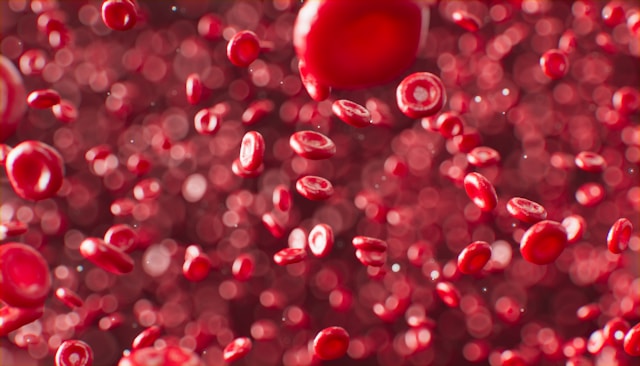
Pregnancy anaemia occurs when a woman’s blood does not have enough healthy red blood cells to carry adequate oxygen to her tissues and the growing fetus.
WHO Definition
Anaemia in pregnancy:
Haemoglobin (Hb) <11 g/dL
Severity Levels
- Mild: 10–10.9 g/dL
- Moderate: 7–9.9 g/dL
- Severe: <7 g/dL
Iron-deficiency anaemia accounts for nearly 80–90% of cases in Indian pregnant women.
Why Is Anaemia So Common Among Indian Women?
India has one of the highest anaemia burdens globally, especially among women of reproductive age.
Key Indian-Specific Factors
1. Low Iron Stores Before Pregnancy
Many women enter pregnancy already anaemic due to:
- Early marriage and repeated pregnancies
- Menstrual blood loss
- Poor adolescent nutrition
2. Dietary Gaps
Typical Indian diets may be:
- High in cereals but low in iron absorption
- Vegetarian with limited heme iron sources
- Rich in tea/coffee, which inhibits iron absorption
3. Increased Iron Requirement
During pregnancy, iron needs triple due to:
- Expanded maternal blood volume
- Placental development
- Fetal growth
4. Worm Infestations & Infections
Hookworm and chronic infections—still common in some regions—worsen iron loss.
Pain Points Parents and Grandparents Often Miss
Many families unknowingly dismiss early warning signs:
- “She sleeps a lot—pregnancy does that.”
- “Her face looks pale? That’s normal.”
- “Why take tablets? Our elders never did.”
Unfortunately, anaemia is not harmless fatigue.
Symptoms of Pregnancy Anaemia You Should Never Ignore
Early Signs
- Constant tiredness
- Pale skin, lips, or nails
- Breathlessness on mild exertion
- Headaches or dizziness
Advanced Symptoms
- Palpitations
- Swelling of feet
- Poor weight gain in pregnancy
- Reduced fetal movements (in severe cases)
Risks of Untreated Anaemia During Pregnancy
Risks to the Mother
- Preterm labour
- Post-partum haemorrhage
- Increased infection risk
- Poor recovery after delivery
Risks to the Baby
- Low birth weight
- Premature birth
- Delayed cognitive development
- Higher risk of infant anaemia
Scientific evidence shows that babies born to anaemic mothers have lower iron stores at birth-affecting brain development in early life.
Diagnosis: Simple Tests That Save Lives
Pregnancy anaemia is easy to detect with timely testing.
Recommended Tests in India
- Haemoglobin estimation (each trimester)
- Peripheral smear (if required)
- Serum ferritin (for iron stores)
Government programs like Anemia Mukt Bharat recommend routine screening for all pregnant women.
Evidence-Based Treatment of Pregnancy Anaemia
1. Iron and Folic Acid (IFA) Supplementation
- Standard dose: 60 mg elemental iron + 500 mcg folic acid daily
- Should begin from the second trimester or earlier if needed
Tip for Indian families:
Taking iron tablets after meals reduces nausea.
2. Intravenous Iron Therapy
Recommended when:
- Hb <7 g/dL
- Poor response to oral iron
- Late pregnancy detection
Modern IV iron formulations are safe and effective under medical supervision.
Indian Diet for Preventing and Managing Pregnancy Anaemia
Iron-Rich Indian Foods
Plant Sources
- Spinach (palak)
- Drumstick leaves (moringa)
- Dates, raisins, jaggery
- Black chana, rajma, lentils
Animal Sources
- Eggs
- Fish
- Chicken
- Liver (in moderation, under medical advice)
Boosting Iron Absorption
- Add vitamin C (lemon, amla, guava)
- Avoid tea/coffee within 1 hour of meals
Scientific note:
Vitamin C converts iron into a more absorbable form in the intestine.
Myths vs Facts Around Pregnancy Anaemia (Indian Context)
Myth: Iron tablets make the baby dark
Fact: Baby’s skin colour is genetic, not dietary
Myth: Weakness is normal in pregnancy
Fact: Persistent fatigue may signal anaemia
Myth: Traditional foods alone are enough
Fact: Diet + supplements are scientifically necessary
Role of Family Support in Anaemia Prevention
Pregnancy nutrition is not the mother’s responsibility alone.
Families can help by:
Ensuring regular antenatal visits
Encouraging supplement compliance
Reducing household workload
Supporting nutritious meal planning
When families participate, outcomes improve dramatically.
Long-Term Impact: Why Prevention Matters Beyond Birth
Untreated maternal anaemia can lead to:
- Recurrent infant illnesses
- Delayed school readiness
- Reduced learning capacity
- Preventing anaemia is an investment in the child’s future cognitive health.
What Every Indian Family Must Do
Pregnancy anaemia is common, preventable, and treatable-yet dangerously underestimated.
If you are:
- A pregnant woman
- A planning couple
- A parent or grandparent
Do not normalize weakness.
Test early. Treat consistently. Eat scientifically.
A healthy pregnancy does not require expensive solutions-just informed choices, timely care, and family support.
Because when a mother’s blood is strong, two lives thrive together.
Read More:
Pregnancy Iron Deficiency in India
Are You Ready? 7 Tips For Getting Pregnant
Pregnancy Outfits That Are Both Cute and Most Importantly Comfortable
Navigating Pregnancy Perils: Common Diseases and Smart Precautions in Indian Motherhood
What Every Indian Family Must Do
Pregnancy anaemia is common, preventable, and treatable-yet dangerously underestimated.
If you are:
- A pregnant woman
- A planning couple
- A parent or grandparent
Do not normalize weakness.
Test early. Treat consistently. Eat scientifically.
A healthy pregnancy does not require expensive solutions-just informed choices, timely care, and family support.
Because when a mother’s blood is strong, two lives thrive together.