
“Every Winter, It Starts Again…”
As soon as winter sets in, Indian parents brace themselves.
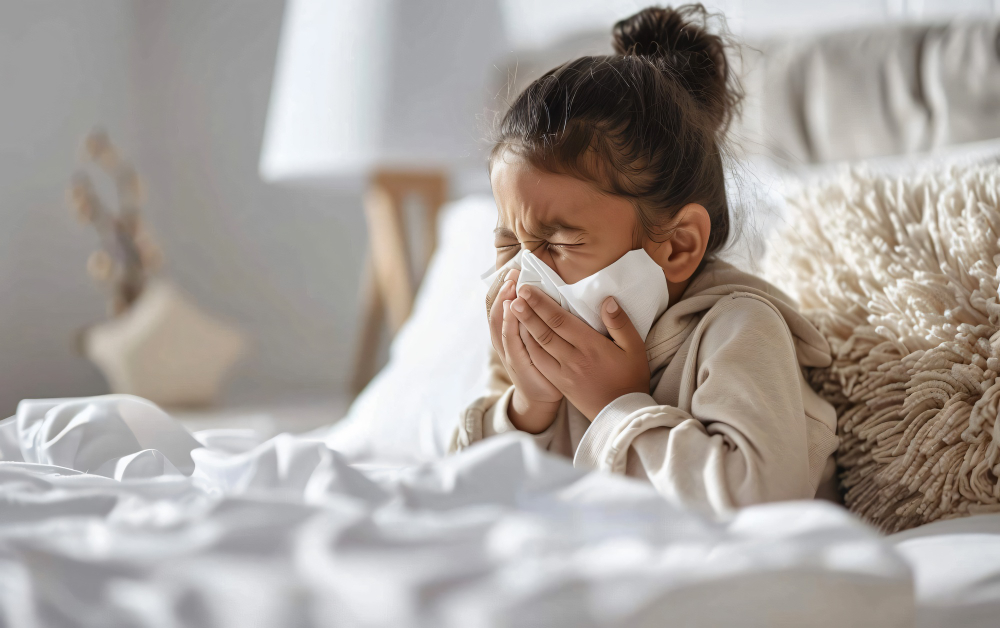
A mild runny nose turns into a cough. Nights become restless. School attendance drops. The child seems tired, cranky, and uncomfortable. Parents worry:
- Is this just a seasonal cold or something serious?
- Why does it keep coming back?
- Should antibiotics be started early?
Grandparents reassure, “Cold weather causes cold.”
Doctors say, “It’s viral.”
Caught between worry and confusion, families struggle to respond correctly.
This blog explains winter cough and cold in Indian children using paediatric science, helping parents understand what’s normal, what’s not, and what actually works.
What Causes Cough and Cold in Winter? (Scientific Explanation)
Winter cough and cold are mostly viral upper respiratory tract infections (URTI).
Common Viruses in Indian Winters
- Rhinovirus
- Respiratory Syncytial Virus (RSV)
- Influenza virus
- Adenovirus
Cold weather itself does not cause infection—it creates conditions that allow viruses to spread more easily.
Why Indian Kids Get Sick More Often in Winter
1. Increased Indoor Crowding
Schools, buses, tuition centres, and closed rooms increase virus transmission through:
- Droplets
- Contaminated surfaces
2. Reduced Sunlight and Vitamin D
Lower winter sunlight reduces vitamin D synthesis, which plays a role in:
- Immune modulation
- Respiratory infection resistance
3. Dry Air and Air Pollution
Dry winter air:
- Irritates nasal lining
- Reduces mucus clearance
In many Indian cities, winter air pollution worsens respiratory symptoms and prolongs cough.
4. Immature Immune Systems
Young children naturally experience 6–8 viral infections per year, especially in preschool and early school years.
This is part of immune system training, not weakness.
Common Symptoms of Winter Cough and Cold
Typical Viral Cold Symptoms
- Runny or blocked nose
- Sneezing
- Mild to moderate cough
- Low-grade fever
- Reduced appetite
Symptoms usually peak by day 3–4 and improve within 7–10 days.
Cough in Children: Understanding the Types
Dry Cough
- Common in early viral infections
- Caused by throat irritation
Wet or Productive Cough
- Appears later as mucus increases
- Helps clear airways
Suppressing a productive cough unnecessarily may delay recovery.
The Biggest Indian Parenting Fear: “Will This Turn Serious?”
Most winter coughs and colds are self-limiting.
Warning Signs That Need Medical Attention
- Fever lasting more than 3 days
- Fast or laboured breathing
- Chest retractions
- Poor feeding or lethargy
- Persistent cough beyond 2–3 weeks
Early evaluation prevents complications like pneumonia or ear infections.
Antibiotics and Winter Colds: What Science Says
Antibiotics do NOT treat viral infections.
Unnecessary antibiotic use leads to:
- Antibiotic resistance
- Gut microbiome disruption
- Increased future infection risk
Paediatric guidelines recommend supportive care, not routine antibiotics.
Evidence-Based Home Care for Winter Cough and Cold
1. Adequate Hydration
Fluids help:
- Thin mucus
- Reduce throat irritation
- Prevent dehydration
Warm fluids can improve comfort but do not kill viruses.
2. Nasal Saline and Suction
Saline drops:
- Improve nasal airflow
- Reduce congestion
- Enhance sleep quality
Safe and effective for all age groups.
3. Humidified Air
Using a clean humidifier:
- Moisturises airways
- Reduces coughing at night
Avoid over-humidification to prevent mould growth.
4. Rest and Sleep
Sleep supports immune recovery through:
- Cytokine release
- Tissue repair
School attendance should pause during fever or severe symptoms.
What Not to Do During Winter Cough and Cold
Over-the-counter cough syrups in young children
Multiple medicines without medical advice
Forcing food during illness
Antibiotics without prescription
Many cough syrups lack proven benefit and may cause side effects.
Role of Nutrition in Recovery and Prevention
Key Nutrients
- Protein (supports immune cells)
- Iron and zinc (immune function)
- Vitamin C (supports immune response)
A balanced Indian diet is sufficient-excess supplements are unnecessary unless advised.
Preventing Recurrent Winter Infections Scientifically
Hygiene Practices
- Handwashing
- Teaching cough etiquette
- Cleaning frequently touched surfaces
Vaccinations
- Influenza vaccination reduces severity
- Routine immunisation protects against complications
Outdoor Play
Exposure to fresh air and sunlight improves:
- Immunity
- Lung capacity
- Vitamin D synthesis
Children should not be confined indoors due to fear of cold.
Psychological Impact of Repeated Illness
Repeated illness affects:
- Child mood and behaviour
- Parental anxiety
- Family routine
Understanding that frequent mild infections are developmentally expected helps reduce stress.
Read more:
When Do Babies Start Sleeping Through the Night?
Conquering Childhood Allergies in India
Is Finger-Sucking Safe for Infants? A Comprehensive Guide
Keeping Kids Healthy in Indian Winters: A Parent’s Guide to Seasonal Wellness
A Clear, Reassuring Conclusion for Indian Parents
Winter cough and cold are:
- Common
- Mostly viral
- Self-limiting
What matters is recognising red flags, avoiding unnecessary medication, and supporting the child’s immune system calmly.
Treat symptoms, not panic
Trust evidence, not fear
Seek care when signs worsen
With informed care, winter infections become a temporary inconveniencenot a lasting worry.