
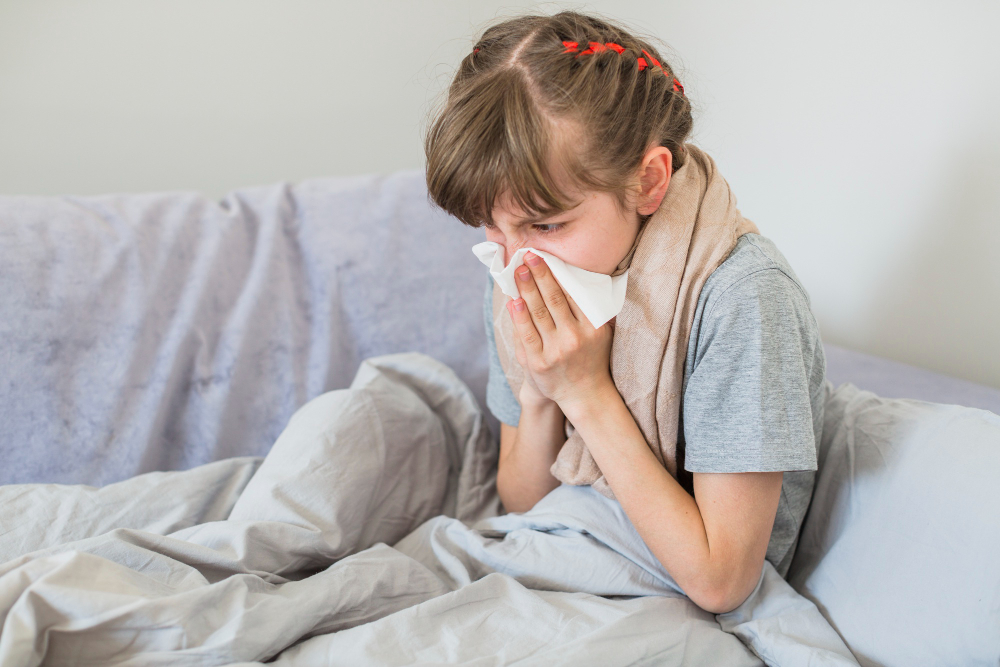
Imagine this: It’s a crisp December morning in Delhi. The fog blankets the city, and your little one, bundled up in a cozy sweater, excitedly rushes out to play. But by evening, the excitement turns into worry a runny nose, persistent cough, and a low-grade fever that refuses to budge. Sound familiar?
As parents (and grandparents!) across India, we’ve all been there. The winter season, with its chilly winds and dry air, brings joy – festivals, hot chai, and family gatherings – but it also ushers in a wave of seasonal illnesses. Respiratory infections like the common cold, cough, and fever become household visitors, especially for children whose immune systems are still building strength. In cities like Mumbai, Bangalore, or even smaller towns, schools and playgrounds turn into breeding grounds for viruses, leaving many parents sleepless and anxious.
The pain point is real: endless doctor visits, missed school days, cranky kids, and the guilt of wondering, “Could I have prevented this?” But here’s the good news: most winter illnesses in children are manageable and preventable with simple, desi-style precautions rooted in Indian homes.
Understanding Common Winter Illnesses in Indian Children
In India, winter (typically November to February) sees a spike in respiratory problems due to cold, dry air, indoor crowding, and lower immunity from reduced sunlight (leading to vitamin D deficiency). The most frequent culprits include:
Common cold — Runny nose, sneezing, mild fever, and congestion from viruses like rhinovirus.
Cough and sore throat — Often viral, sometimes leading to bronchitis.
Viral fever — Accompanied by body aches and fatigue.
More serious ones like flu, bronchiolitis (in infants), or pneumonia if neglected.
Children under 10 are hit hardest – they catch colds 6-8 times a year on average. In northern India, the severe cold amplifies risks, while in southern regions, sudden temperature drops trigger similar issues.
Pain Points Every Indian Parent Faces — And How to Overcome Them
The biggest worries?
- “My child keeps falling sick every winter — is it normal?”
- “How do I avoid antibiotics every time?”
- “What about home remedies that actually work without side effects?”
- “How to balance school, play, and health in foggy mornings?”
These fears are valid, but proactive steps can reduce frequency and severity.
Effective Prevention Tips: Keep Your Child Healthy This Winter
1. Layer Up Wisely
Dress children in breathable layers – cotton innerwear, woolens on top. Avoid overheating, which can cause sweating and chills. In places like Punjab or UP, use caps, socks, and mufflers to protect ears and head.
2. Boost Immunity the Indian traditional way by include immunity-boosting foods:
-Warm soups (chicken or veg with garlic, ginger, tulsi).
-Turmeric milk (haldi doodh) at bedtime.
Nuts like almonds and walnuts for older kids.
-Seasonal fruits (oranges, guava) rich in vitamin C.
-Jaggery-based laddoos for natural warmth.
Ensure balanced home-cooked meals – avoid excessive packaged foods or cold drinks.
3. Hygiene Habits That Work Wonders
Frequent handwashing with soap (after play, before meals). Teach kids to cover mouth/nose while coughing/sneezing. Disinfect toys and surfaces at home.
4. Humidify and Hydrate
Use a humidifier or steam inhalation (with plain water or few drops of eucalyptus oil for kids over 5). Keep them hydrated with warm fluids — soups, herbal teas (adrak, tulsi).
5. Home Remedies for Early Relief
- Honey (for kids over 1 year) — A teaspoon with warm water soothes cough.
- Ajwain water — Boil carom seeds with jaggery for cough relief.
- Steam — Helps clear congestion.
- Saline nasal drops for runny nose.
These common desi remedies often ease symptoms faster than expected. But, the mere dependence on these remedies without consulting a doctor or continuous inclusion of these items in diet may affect body. Better consult the doctor as these nethods may not be suitable for all type of conditions and people in specific age group.
6. Vaccinations and Doctor Visits
Get the annual flu vaccine (consult your pediatrician). Seek medical help if fever >100.4°F lasts >2 days, breathing difficulty, or persistent cough.
7. Lifestyle Tweaks
Ensure 10-12 hours of sleep. Limit exposure to sick people. Encourage outdoor play on sunny days for vitamin D.
When to See a Doctor — Don’t Wait Too Long
Most illnesses resolve in 7-10 days, but watch for red flags: high fever, wheezing, lethargy, or ear pain. Early intervention prevents complications. The traditional methods to improve health and immunity are only usual practices followed in the society. It is better to not adhere more on these methods if symptoms persist and any other associated health conditions prevail.
Read more:
Conquering Childhood Allergies in India
Is Finger-Sucking Safe for Infants? A Comprehensive Guide
Keeping Kids Healthy in Indian Winters: A Parent’s Guide to Seasonal Wellness
Keeping Kids Healthy in Indian Winters: A Parent’s Guide to Seasonal Wellness
Take Charge and Enjoy Winter Worry-Free
Winter doesn’t have to mean constant worry. By layering smartly, feeding nourishing Indian foods, practicing hygiene, and using time-tested home remedies, you can significantly reduce your child’s risk of winter cough, cold, and fever.
Start small today – prepare that warm haldi doodh tonight, teach handwashing, and stock up on basics. Your child will thank you with healthy smiles and more playtime. You’ve got this, parents. A healthy winter is within reach.