
“Is Something Wrong With My Baby-or Is It Just Teething?”
It’s 2 a.m. in an Indian household.
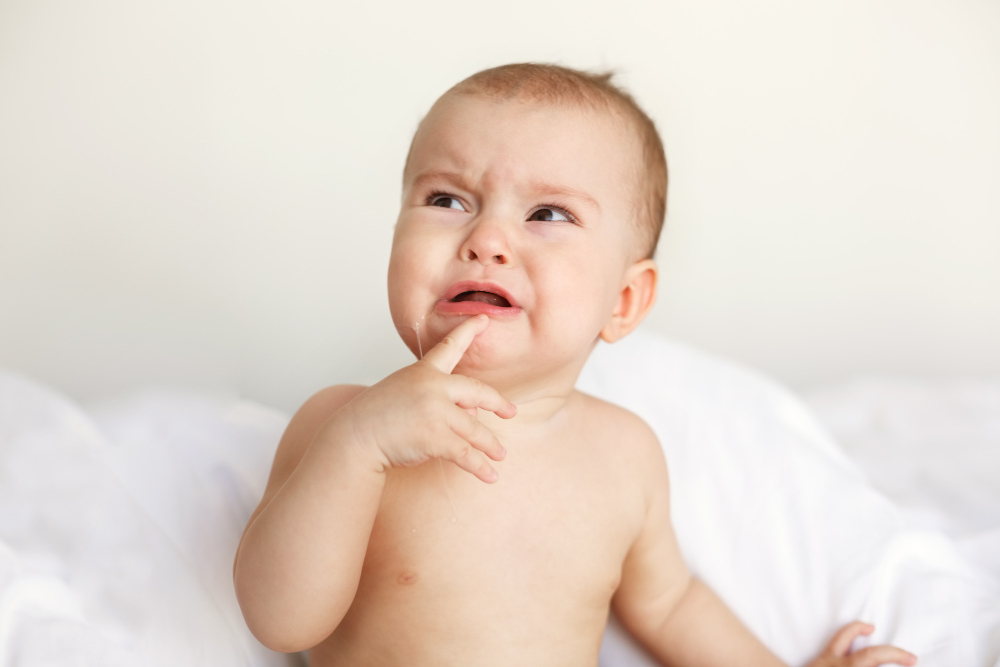
A six-month-old baby who slept peacefully till last week is suddenly crying inconsolably. The mother checks the diaper. The baby arches their back, drools excessively, bites everything within reach, and refuses to feed.
Grandparents offer quick explanations:
- “It’s teething-nothing to worry.”
- “Apply something on the gums.”
- “Babies suffer a lot during teething.”
But the parents are anxious:
- Why is my baby so irritable?
- Is fever normal during teething?
- How do I soothe without harming?
Teething is a normal biological process, but the distress it causes is often misunderstood, exaggerated, or incorrectly managed-especially in the Indian context.
This blog explains teething scientifically, clears confusion, and helps parents respond calmly, safely, and effectively.
What Is Teething? A Scientific Overview
Teething is the process by which primary (milk) teeth erupt through the gums.
Typical Timeline (Average, Not Exact)
- First tooth: 6–10 months
- Full set of 20 milk teeth: by 2.5–3 years
Some babies start earlier, some later-this variation is biologically normal.
Why Teething Causes Discomfort (What’s Actually Happening)
Teething discomfort occurs due to:
- Inflammation of gum tissue
- Pressure as the tooth moves upward
- Increased nerve sensitivity in the gums
This inflammation triggers local pain, not systemic illness.
Understanding this distinction prevents unnecessary panic and overmedication.
Common Teething Symptoms
(Evidence-Based)
Normal, Expected Symptoms
- Excessive drooling
- Gum swelling or redness
- Desire to chew or bite
- Mild irritability
- Slight feeding changes
These are local responses and part of normal development.
Symptoms NOT Caused by Teething (Important)
Scientific research shows teething does NOT cause:
- High fever
- Severe diarrhoea
- Persistent vomiting
- Continuous crying for hours
- Respiratory symptoms
If these occur, another illness must be considered.
In India, many infections coincide with teething age, leading to dangerous misattribution.
The Indian Parenting Pain Point: “Everything Is Blamed on Teething”
This mindset delays medical care.
Conditions often wrongly blamed on teething:
- Viral infections
- Ear infections
- Urinary tract infections
- Gastrointestinal illness
Paediatric guidelines strongly advise:
Teething should be a diagnosis of exclusion, not assumption.
How Teething Affects Baby Behaviour (Psychological View)
Teething discomfort alters:
- Sleep cycles
- Feeding comfort
- Sensory regulation
Babies lack emotional regulation skills, so discomfort results in:
- Clinginess
- Increased crying
- Sleep fragmentation
This does not indicate temperament problems or “spoiling.”
Safe, Scientific Ways to Soothe Teething Pain
1. Teething Toys (Evidence-Supported)
- Firm, BPA-free teethers
- Clean, cooled (not frozen)
Cooling reduces inflammation by vasoconstriction.
2. Gentle Gum Massage
- Clean finger
- Light pressure for short durations
This stimulates counter-pressure relief, a known pain modulation mechanism.
3. Feeding Adjustments
- Slightly cooler foods (for babies on solids)
- Breastfeeding for comfort and immune support
Breastfeeding releases oxytocin, calming the baby naturally.
4. Medications (Only If Needed)
- Paracetamol in age-appropriate dose
- Only under medical advice
Avoid routine or preventive dosing.
What NOT to Do During Teething (Scientifically Unsafe)
Herbal gels or unregulated powders
Honey (risk of botulism under 1 year)
Home remedies applied directly on gums
Teething necklaces (choking risk)
Topical anaesthetic gels without prescription
Many products marketed in India lack safety evidence.
Teething and Fever: Clearing the Biggest Myth
Mild temperature rise (<38°C) may occur due to local inflammation.
High fever is NOT teething.
If fever persists:
- Seek medical evaluation
- Do not delay by assuming teething
Teething and Diarrhoea: What Science Says
Drooling increases hand-to-mouth activity, raising infection exposure.
Diarrhoea during teething age is usually:
- Viral
- Hygiene-related
Not caused by teeth eruption itself.
Oral Hygiene During Teething (Often Ignored)
Good habits should start before teeth fully erupt.
Recommended Practices
- Clean gums with soft cloth
- Brush first tooth with soft brush
- No toothpaste until advised
Early oral hygiene reduces:
- Early childhood caries
- Future dental anxiety
Long-Term Developmental Impact: Why Proper Care Matters
Poor teething management can lead to:
- Feeding aversion
- Sleep association problems
- Unnecessary medication exposure
Responsive, calm care supports:
- Secure attachment
- Emotional regulation
- Healthy sensory development
Supporting Parents: Teething Is Temporary, Exhaustion Is Real
Teething affects caregivers too.
Sleep deprivation and constant crying increase:
- Parental stress
- Anxiety
- Irritability
Families should:
- Share caregiving
- Rotate night duties
- Offer emotional support
Healthy parents care better for babies.
Read More:
Is Finger-Sucking Safe for Infants? A Comprehensive Guide
Finger Sucking in Children: Understanding the Habit and Its Implications
Signs of Teething in Infants: What Parents Need to Know About Baby’s First Teeth
Teething Toys for 5-Month-Olds: The Ultimate Guide to Soothe and Comfort Your Baby’s Gums
A Clear Conclusion for Indian Families
Teething is:
- A normal developmental milestone
- Temporarily uncomfortable
- Scientifically manageable
What makes it stressful is misinformation, not the process itself.
Know what’s normal
Identify red flags early
Use safe, evidence-based soothing
Avoid unnecessary remedies
Teething does not need fear-it needs understanding, patience, and science.
Because a calm response today builds trust, comfort, and emotional security for life.