
“Isn’t Two Too Young?” — A Question Almost Every Indian Parent Asks
It usually starts at a family gathering.
A two-year-old clings to their mother’s leg while relatives debate animatedly.
“Why rush? Let the child enjoy childhood.”
“In our days, we started school at five and turned out fine.”
“Nowadays kids are stressed too early.”
Meanwhile, the parents lie awake at night with different worries:
- My child barely speaks—will play school help?
- He doesn’t mix with other kids—should I wait?
- Am I pushing too early or missing a crucial window?
In India, starting play school at age 2 or 3 is often viewed emotionally rather than scientifically. This blog reframes the discussion using child psychology, brain science, and global early-learning evidence, so parents and grandparents can make confident, informed decisions.
What Is Play School-Scientifically Speaking?
A play school is not “formal education.”
It is a structured early childhood environment designed to stimulate development across five core domains:
- Cognitive (thinking, problem-solving)
- Language and communication
- Social and emotional regulation
- Motor skills (fine and gross)
- Adaptive skills (routine, independence)
According to developmental psychology, ages 2–3 fall under the “toddler to early preschool phase”, a period of maximum neural plasticity.
Why Ages 2–3 Are Neurologically Significant
Rapid Brain Growth Happens Early
By age:
- 2 years: ~80% of adult brain volume
- 3 years: Over 1 million neural connections per second
This is not opinion-it is neuroscience.
What This Means Practically
The brain strengthens connections that are:
- Repeated
- Meaningful
- Multi-sensory
- Socially interactive
Play schools-when developmentally appropriate are designed to activate these pathways.
Cognitive Development: How Play School Helps the Brain Learn Better
1. Structured Play Builds Executive Function
Executive functions include:
- Attention control
- Memory
- Flexible thinking
Scientific studies show that guided play (not free chaos, not rigid academics) improves:
- Task switching
- Problem solving
- Early reasoning
Activities like sorting blocks, matching colours, simple puzzles, and music games directly activate the prefrontal cortex.
2. Language Explosion Happens Between 2 and 4 Years
At home, children hear limited language patterns. In play school, they experience:
- Peer speech
- Songs, rhymes, storytelling
- Repetition in varied contexts
Research confirms:
Children exposed to rich language environments before age 4 show better reading and comprehension skills later.
This is especially relevant in Indian households where:
- One caregiver manages multiple tasks
- Screen exposure replaces conversation
- Language stimulation may be inconsistent
3. Social and Emotional Development: A Core Indian Concern
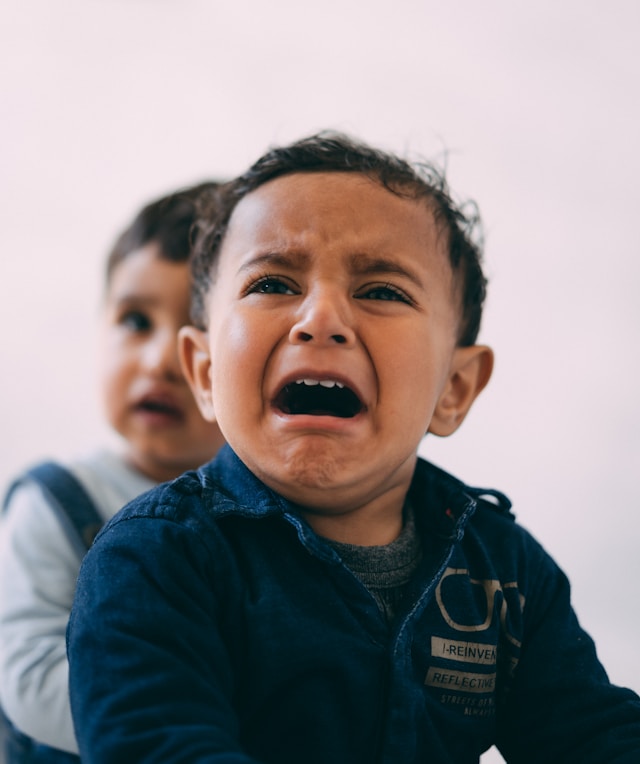
“My Child Cries When I Leave” Is That Harmful?
No-separation anxiety is developmentally normal between 18 months and 3 years.
Psychologically, gradual separation:
- Strengthens emotional resilience
- Builds secure independence
- Teaches emotional regulation
4. High-quality play schools use attachment-aware transitions, not forced separation.
Learning Social Skills Early Prevents Later Problems
Between 2 and 3, children begin to:
- Observe peers
- Imitate behaviours
- Understand turn-taking
Scientific evidence links early peer interaction with:
- Better emotional control
- Reduced behavioural issues in primary school
- Improved conflict resolution skills
Social skills are not instinctive-they are learned.
5. Motor Skill Development: More Than “Just Playing”
Fine Motor Skills (Critical for Writing Later)
- Grasping crayons
- Threading beads
- Stacking objects
These activities strengthen hand-eye coordination and neural pathways essential for future academics.
Gross Motor Skills
- Climbing
- Jumping
- Balancing
Physical movement improves:
- Brain oxygenation
- Sensory integration
- Attention span
Sedentary early childhood correlates with poorer cognitive outcomes.
Advantages of Starting Play School at 2–3 (Evidence-Based)

1. Early Cognitive Stimulation Without Academic Pressure
No rote learning-only brain-friendly exposure.
2. Improved Language and Communication
Particularly beneficial in bilingual or multilingual Indian households.
3. Emotional Independence and Confidence
Children learn to function without constant adult intervention.
4. Routine and Predictability
Helps regulate sleep, appetite, and behaviour.
5. Easier Transition to Formal School
Children who attend quality play schools adapt better to LKG/UKG.
What Play School Should NOT Be (Red Flags for Indian Parents)
Scientifically inappropriate practices include:
- Worksheets and writing drills at age 2
- Forced memorisation
- Long sitting hours
- Teacher-child ratios above recommended limits
- Excessive screen use
Early academics do not improve intelligence-they increase stress.
Things Parents Must Remember Before Enrolling
1. Child Readiness Matters More Than Age
Signs of readiness:
- Can stay engaged for short periods
- Shows curiosity
- Can follow simple instructions
2. Quality of Interaction > Duration
2–3 hours of meaningful engagement is enough.
3. Teacher Training Is Critical
Early childhood educators must understand:
- Child psychology
- Behaviour guidance
- Developmental milestones
4. Parent–School Communication
Consistent updates help reinforce learning at home.
Indian Context: Nuclear Families and Cognitive Development
With:
- Reduced sibling interaction
- Limited outdoor play
- Increased screen exposure
Play schools often provide the only structured social environment for toddlers in urban India.
This makes scientifically designed early schooling more relevant today than ever before.
Long-Term Cognitive Benefits: What Research Shows
Longitudinal studies indicate children with quality early childhood exposure show:
- Better attention regulation
- Stronger working memory
- Improved academic performance
- Higher adaptability
Early learning doesn’t make children “fast”-it makes them foundationally strong.
When chosen wisely, play school becomes not a pressure-but a powerful support system for lifelong learning.
Read more:
Early Schooling in India: A Parent’s Guide to Choosing the Right Start for Kids (Ages 3–6)
Keeping Kids Healthy in Indian Winters
Finger Sucking in Children: Understanding the Habit and Its Implications
Is Finger-Sucking Safe for Infants? A Comprehensive Guide
Conquering Childhood Allergies in India
A Decisive Conclusion for Parents and Grandparents
Starting play school at age 2 or 3 is not about rushing childhood.
It is about:
- Respecting how the brain grows
- Providing the right stimulation at the right time
- Supporting emotional, social, and cognitive foundations
The key question is not “Is my child too young?”
It is:
Is the environment developmentally appropriate?
Is learning happening through play, interaction, and care?
When chosen wisely, play school becomes not a pressure but a powerful support system for lifelong learning.